
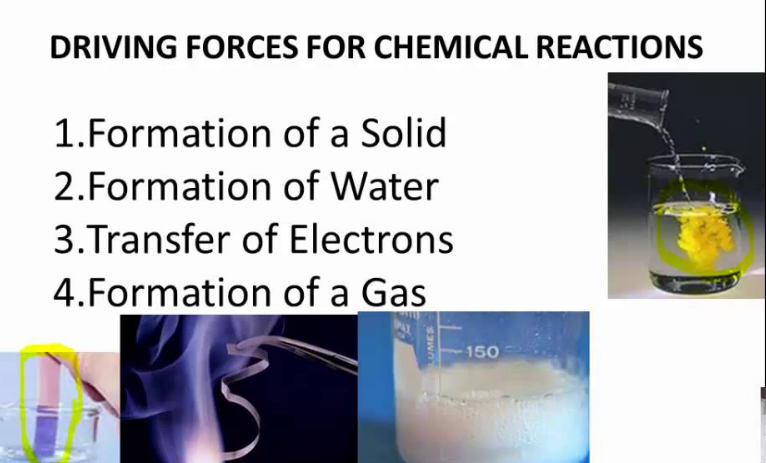
Chemical reactions, the dynamic transformations of matter, are driven by the relentless pursuit of stability. Reactants, possessing higher energy states, yearn to reach a lower-energy, more stable configuration. This fundamental drive, often fueled by factors like temperature, pressure, and the presence of catalysts, propels atoms to break old bonds and forge new ones, resulting in the formation of products. The intricate interplay of energy and matter, guided by the laws of thermodynamics, orchestrates this ceaseless dance of chemical change. Sources and related content
- All Course Editors: Admin User
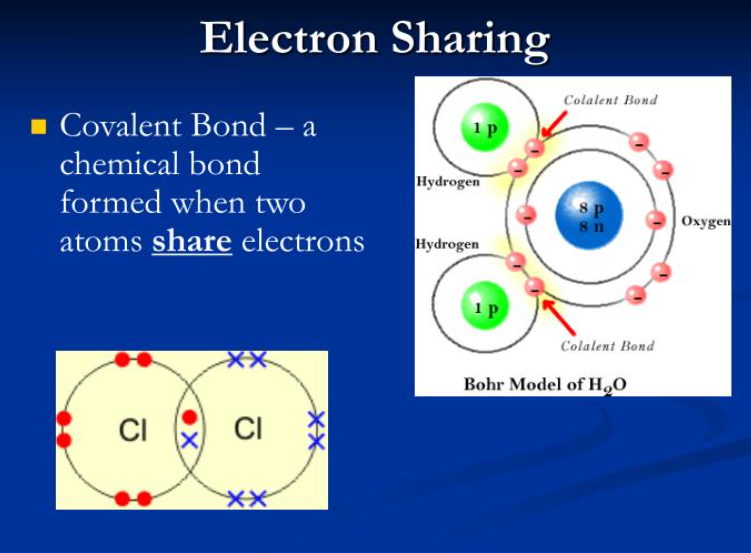
Chemical reactions are driven by the dynamic behavior of electrons. In some reactions, electrons transfer completely between atoms, forming ions and ionic bonds. In others, electrons are shared between atoms, creating covalent bonds. This sharing can be equal or unequal, influencing the polarity of the bond. Additionally, electron pairs can be shared between atoms, playing a crucial role in many organic reactions. Understanding these fundamental mechanisms of electron transfer and sharing is key to comprehending the diversity of chemical reactions.
- All Course Editors: Admin User
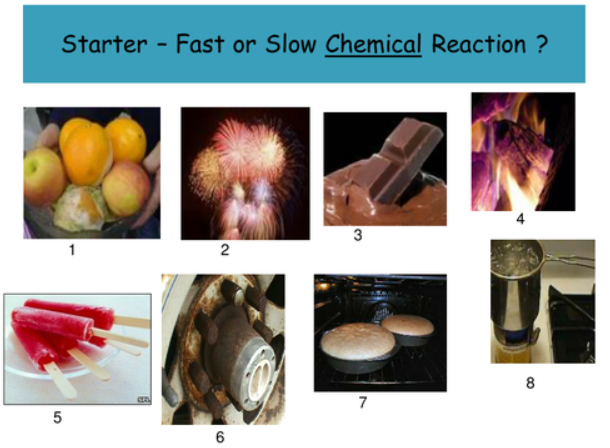
Kinetics (how fast) and equilibrium (how much). It covers factors affecting reaction rates, such as temperature, concentration, and catalysts, along with collision theory. Students learn to measure reaction rates, interpret rate laws, and understand reaction mechanisms. The unit also delves into chemical equilibrium, the equilibrium constant, and Le Chatelier’s Principle. Practical applications include optimizing industrial processes like the Haber process.
- All Course Editors: Admin User
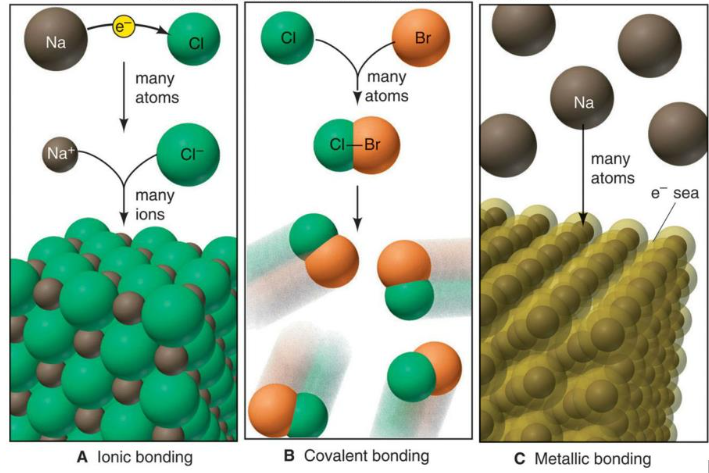
Bonding models lessons focus on understanding the different ways individuals form connections in relationships. These models emphasize the role of trust, communication, and emotional attachment in building strong bonds. They help learners explore how healthy relationships develop and the factors that strengthen or weaken them. By applying these models, individuals can improve their personal and professional interactions. Such lessons are crucial for fostering positive, lasting connections.
- All Course Editors: Admin User
- All Course Editors: Admin User
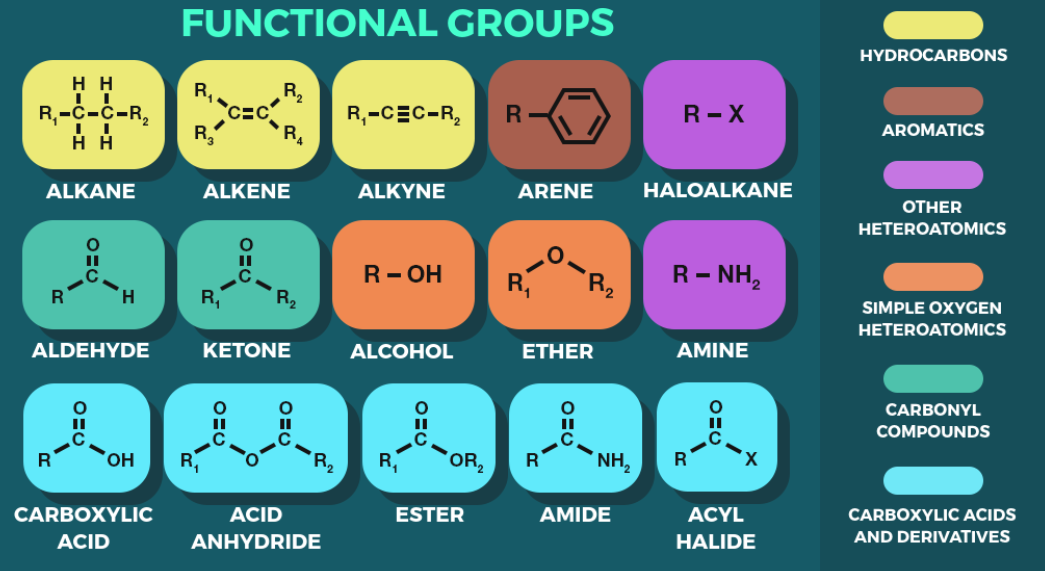
Functional groups are specific atoms or groups of atoms within a molecule that determine its chemical properties and reactivity. In IUPAC nomenclature, these groups are used to systematically name organic compounds. Each functional group, such as alcohols, ketones, or carboxylic acids, has a specific suffix or prefix in the name. Learning to identify and name compounds based on functional groups is crucial in organic chemistry. This helps in predicting chemical behavior and understanding reactions.
- All Course Editors: Admin User
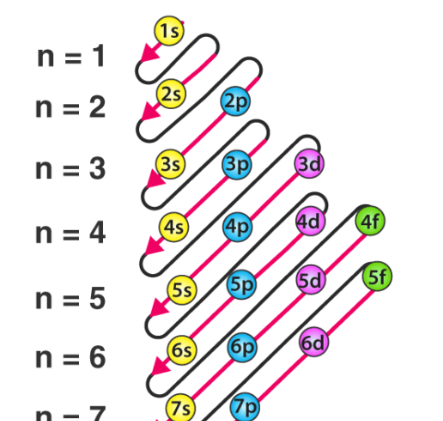
the nuclear atom and electronic configuration introduces the structure of an atom, focusing on the nucleus and surrounding electrons. It explains how protons and neutrons form the dense nucleus, while electrons occupy specific energy levels. Understanding electronic configuration helps predict an element’s chemical properties and behavior. The lesson also covers the rules for filling electron orbitals, such as the Aufbau principle and Hund’s rule. This knowledge is foundational for exploring atomic interactions and bonding.
- All Course Editors: Admin User
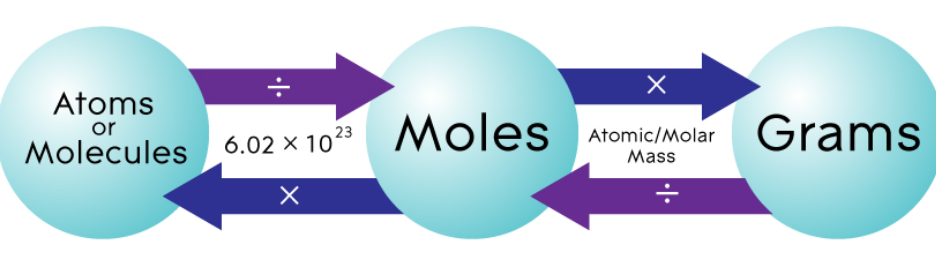
Matter, the building block of everything around us, is composed of tiny particles. These particles are too small to be seen with the naked eye but can be inferred through various experiments and observations. Understanding the particulate nature of matter helps us explain a wide range of phenomena, from the physical properties of substances to chemical reactions. In this lesson, we will delve into the concept of matter as particles, exploring their characteristics, behavior, and interactions.
- All Course Editors: Admin User