
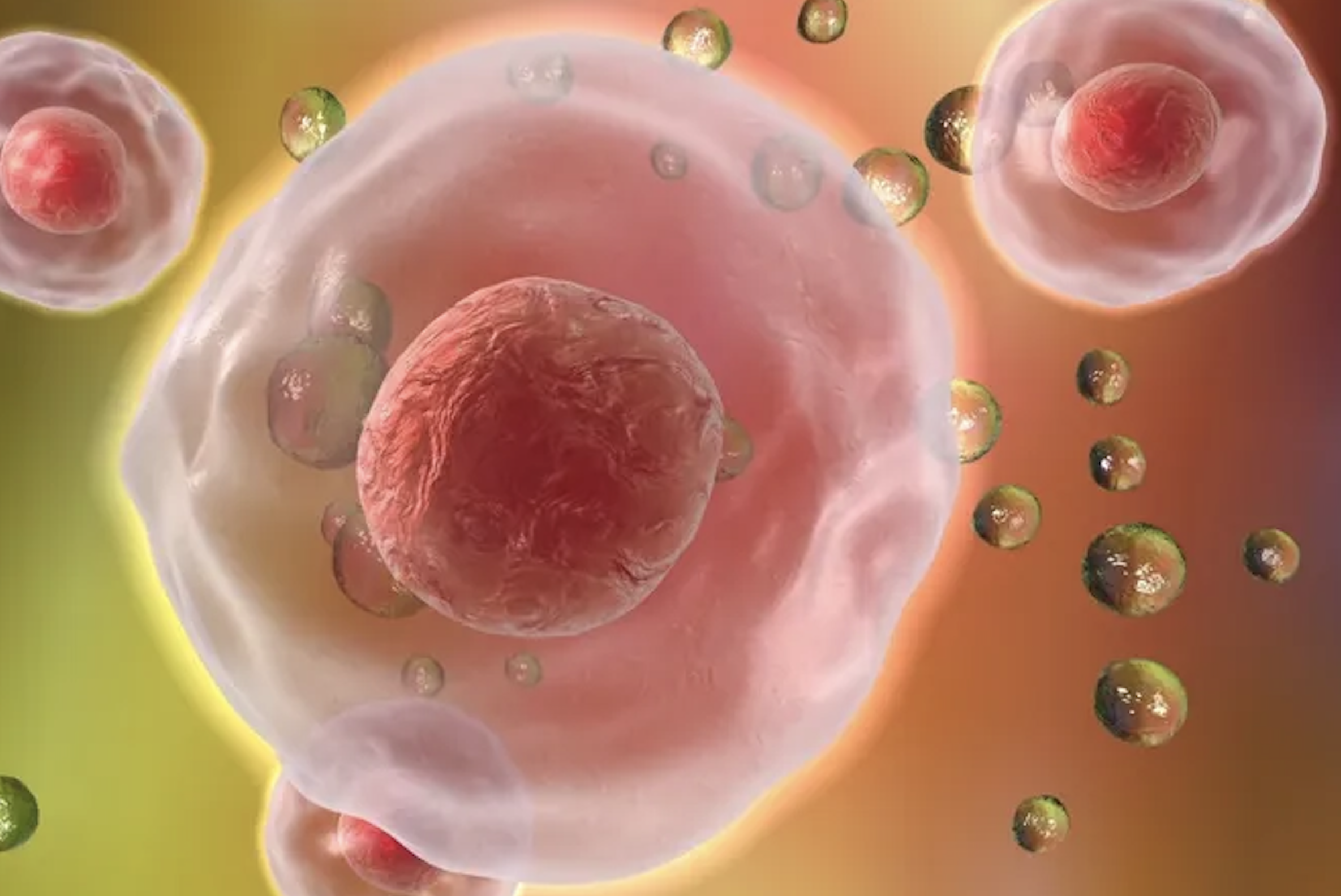
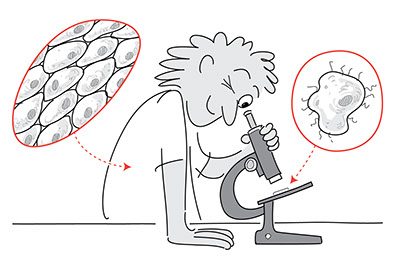
Microscopes are essential tools for biologists. They allow us to see things that are too small to be seen with the naked eye. By using the microscopes, scientists can observe cells in detail, which helps them understand how cells work and how they contribute to the larger organism. There are different types of microscopes, such as light microscopes and electron microscopes.
Light microscopes use visible light to magnify objects, while electron microscopes use beams of electrons for much higher magnification.
- All Course Editors: Nazrin Kareem
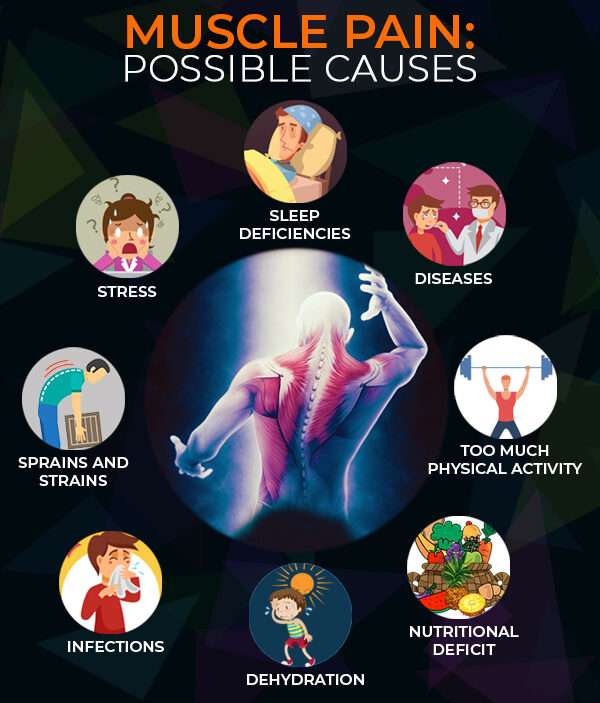
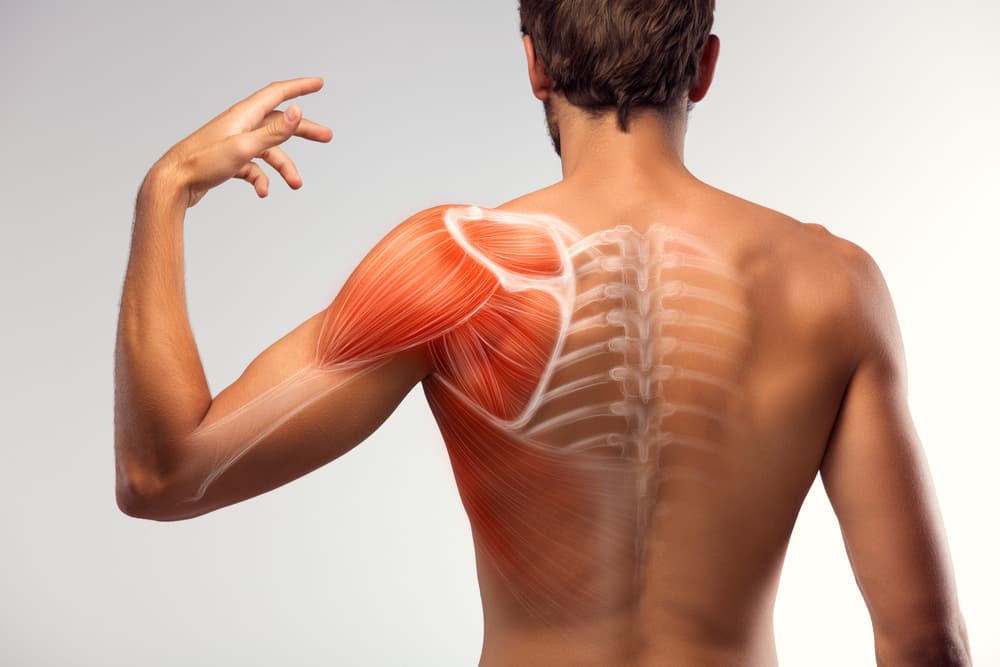
Muscles and bones work together to form the musculoskeletal system, which gives our bodies structure, support, and the ability to move. Bones provide a rigid framework that supports the body and protects vital organs, like the brain and heart. They are also involved in producing blood cells and storing minerals like calcium.
- All Course Editors: Nazrin Kareem
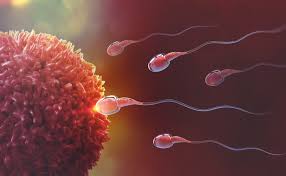
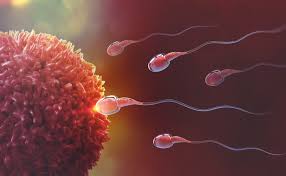
Reproduction is the biological process by which living organisms produce offspring, ensuring the survival of their species. In both humans and animals, reproduction can occur in different ways, but it always involves the passing of genetic information from one generation to the next.
- All Course Editors: Nazrin Kareem
- All Course Editors: Nazrin Kareem