
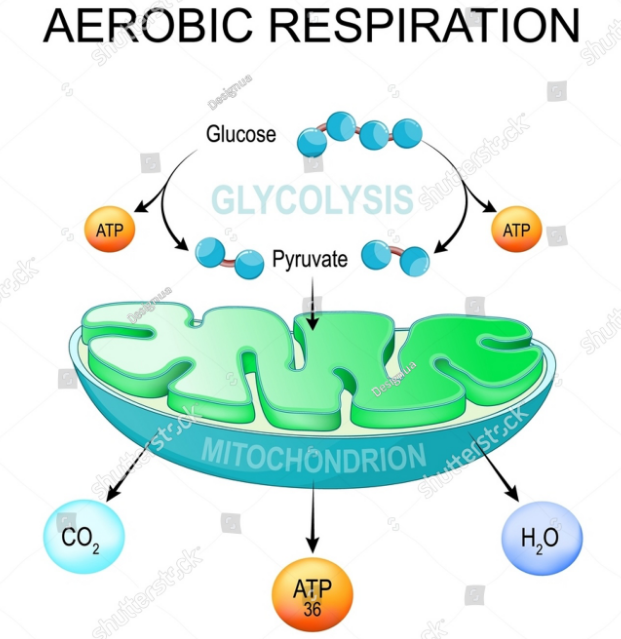
Respiration involves breaking down glucose molecules then converted into ATP via aerobic or anaerobic pathways. Aerobic respiration requires oxygen; hence more ATP can be made per glucose molecule than in anaerobic respiratory pathways where no air is present, causing less ATP formation but lactic acid or ethanol production instead. The metabolic processes of the body adapt to exercise by using stored energy reserves and optimizing oxygen uptake and utilization to fulfill increased energy requirements. Metabolism is therefore an encompassing term for all chemical reactions occurring in living organisms that control energy conversion and use thus it is central to life and keeping cell homeostasis. Through bioenergetics understanding, we can investigate the basic mechanisms behind energy flow as well as metabolism in living systems.
- All Course Editors: Nazrin Kareem
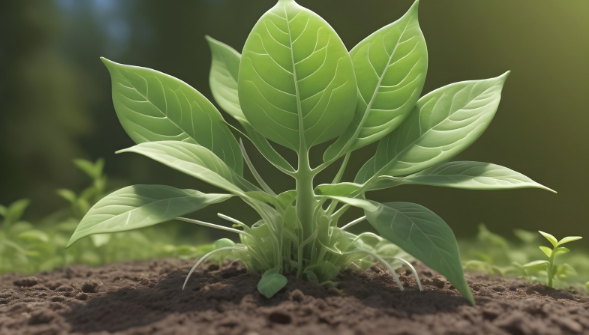
Plant hormones, also known as phytohormones, are signaling molecules that play crucial roles in controlling and coordinating various physiological processes throughout the life cycle of plants. These hormones regulate growth, development, and responses to environmental stimuli, enabling plants to adapt and thrive in diverse ecological conditions. The control and coordination exerted by plant hormones encompasses a wide range of biological processes, including seed germination, root and shoot growth, flowering, fruit development, and stress responses. Each type of plant hormone, such as auxins, cytokinin, gibberellins, abscisic acid, and ethylene, exerts specific effects on plant physiology and development. Additionally, plant hormones find numerous uses in agriculture and horticulture, where they are applied to manipulate plant growth, improve crop yield, and enhance stress tolerance.
- All Course Editors: Nazrin Kareem

Photosynthesis is the primary source of organic matter and oxygen on earth since it transforms light energy into chemical energy by plants, some bacteria as well as algae through this process. Plants use carbon dioxide and water during photosynthesis to convert sunlight into glucose and oxygen. Factors such as light intensity, temperature, and carbon dioxide concentration affect photosynthesis rates, among others. For example, when humans consume fruits, they get glucose produced from plants’ food-making process which serves energy for cellular functions and metabolic reactions in the body.
- All Course Editors: Nazrin Kareem

Living organisms are organized at various levels, each with structure and function. At the cellular level, organisms are composed of specialized structures called cells. These cells work together to form tissues, organs, and organ systems, allowing for efficient organism functioning. Biological molecules, such as proteins, carbohydrates, and nucleic acids, play a crucial role in the structure and function of living organisms. The movement of substances into and out of cells, nutrition, respiration, gas exchange, transport, excretion, and coordination and response are all vital processes that enable organisms to survive and thrive.
- All Course Editors: Nazrin Kareem
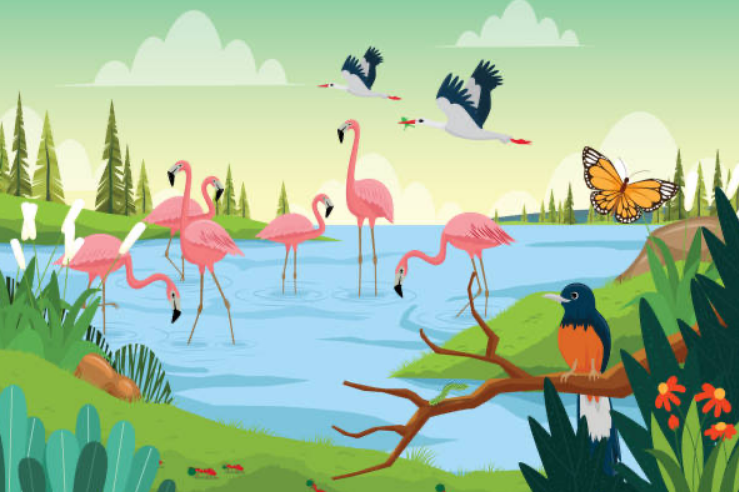
Biodiversity encompasses the variety of life forms on Earth, from genes and species to ecosystems. Human activities, such as waste management, land use, deforestation, and global warming, can have significant impacts on biodiversity and ecosystem health. Evolution involves the gradual change in inherited traits over successive generations, driven by processes including natural selection, selective breeding, and genetic engineering. Additionally, cloning techniques allow for the replication of organisms with desired traits, further shaping genetic diversity. Understanding these processes provides insights into the origins and diversification of life forms and their adaptations to changing environments.
- All Course Editors: Nazrin Kareem

Ecology is the study of the relationships between organisms and their environments, encompassing numerous factors that influence the distribution and abundance of species. Adaptation, interdependence, and competition shape ecological communities, where organisms interact with each other and their surroundings. These interactions are influenced by both abiotic factors, such as climate and soil composition, and biotic factors, including predation and competition for resources. Organisms exhibit a range of adaptations to survive and reproduce in their habitats, contributing to ecosystem diversity and stability.
- All Course Editors: Nazrin Kareem

Genetics, the study of genes and heredity, lies at the heart of understanding the diversity and unity of life on Earth. It encompasses a range of interconnected topics, including reproduction, inheritance, natural selection and evolution, and genetic modification, each playing a vital role in shaping the characteristics of organisms and populations.
- All Course Editors: Nazrin Kareem
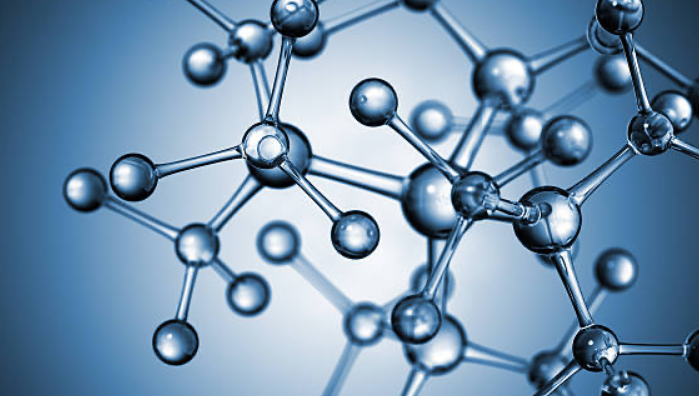
Biological molecules are the building blocks of life. They include monomers and polymers, such as carbohydrates, lipids, proteins, and nucleic acids. These molecules play crucial roles in carrying information, providing energy, and maintaining the structure and function of cells. We will also delve into DNA replication, ATP (adenosine triphosphate), water, and inorganic ions.
- All Course Editors: Nazrin Kareem
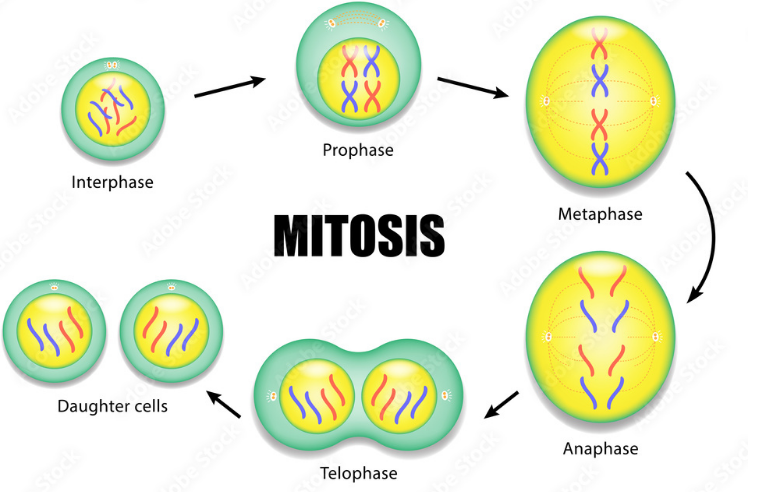
Cells are the basic units of life. We will explore their structure, including the different organelles and their functions. Additionally, we will learn about the concept of cell division, where all cells arise from pre-existing cells. The transport of substances across the cell membrane and the cell's recognition and immune system will also be discussed.
- All Course Editors: Nazrin Kareem