
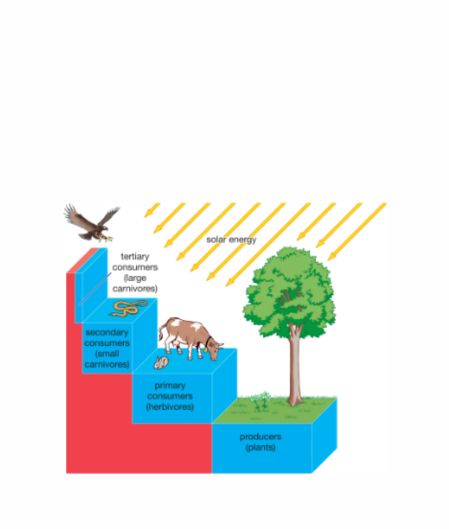
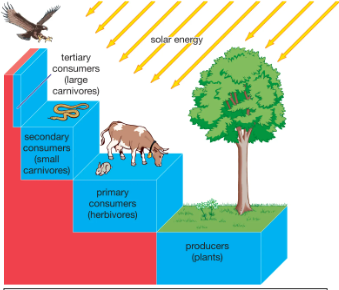
In the domain of energy, "Food and fuels" provide essential sources, while "Energy adds up" underscores conservation principles.
"Energy and temperature" link energy to thermal states. "Energy transfer: particles" and "Energy transfer: radiation" explain mechanisms of energy transfer. "Energy resources" detail available sources. "Energy and power" address transfer rates.
Lastly, "Work, energy, and machines" highlight their interconnected roles in mechanical systems.
- All Course Editors: Nazrin Kareem
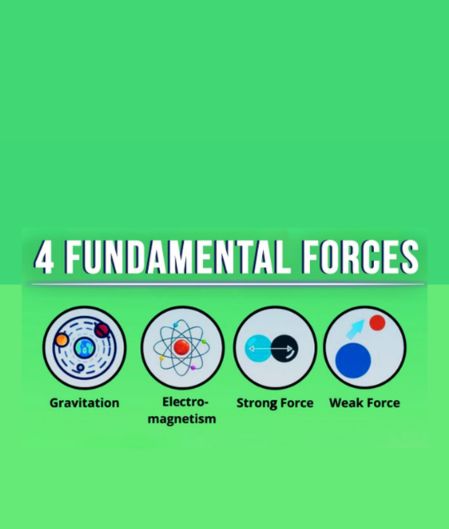
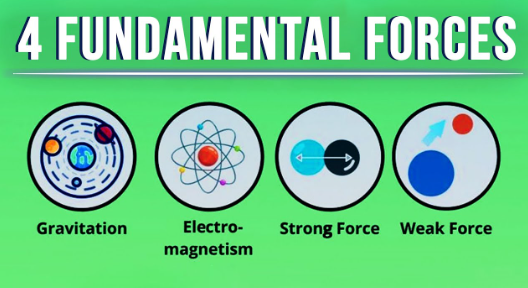
Forces are fundamental in physics, governing interactions in our world. They cause squashing, stretching, and friction, while drag forces oppose motion.
Additionally, forces act at a distance, like gravity. Understanding balanced and unbalanced forces is key; balanced forces maintain equilibrium, while unbalanced forces drive motion.
Through these concepts, we explore the dynamics of objects in our universe.
- All Course Editors: Nazrin Kareem
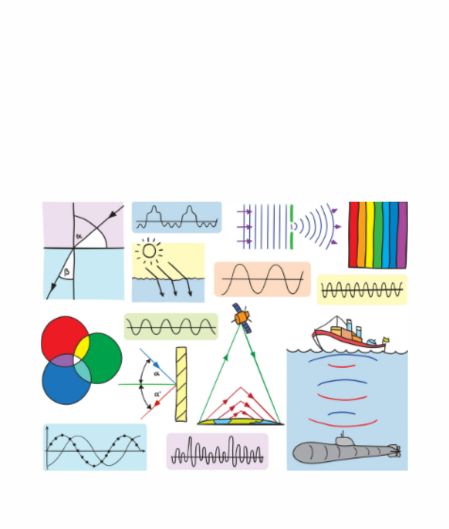
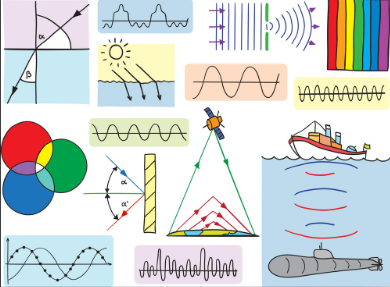
Waves are integral to understanding various phenomena in physics, including vibrations and energy transfer.
Concepts like loudness and pitch help characterize sound waves, with detection techniques allowing us to perceive them.
Additionally, echoes and ultrasound demonstrate the reflection and transmission of waves, offering insights into their behaviour and applications.
- All Course Editors: Nazrin Kareem
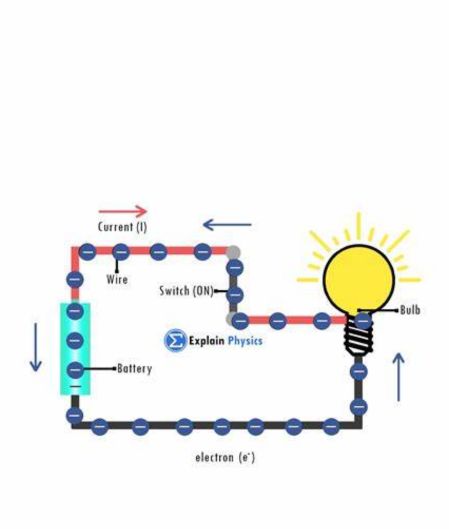
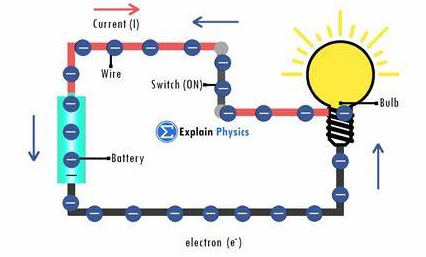
In the realm of electricity and magnetism, "charging up" refers to storing electrical energy. Circuits and current describe the flow of electric charge.
Potential difference drives current flow, while series and parallel circuits show different configurations. Resistance opposes current flow. Magnets and magnetic fields arise from magnetic materials, while electromagnets are created by electric current through coils.
Utilizing electromagnets involves harnessing their magnetic properties for various applications.
- All Course Editors: Nazrin Kareem


The night sky offers a mesmerizing view of celestial bodies, including stars, planets, and galaxies, providing a glimpse into the vastness of the universe. Within our Solar System, Earth orbits around the Sun along with other planets, moons, asteroids, and comets.
Earth itself is a unique planet, characterized by its diverse ecosystems, atmosphere, and geological features. The Moon, Earth's natural satellite, has fascinated humans for centuries, influencing tides and serving as a target for exploration and scientific study.
Together, these celestial entities offer endless opportunities for discovery and wonder.
- All Course Editors: Nazrin Kareem
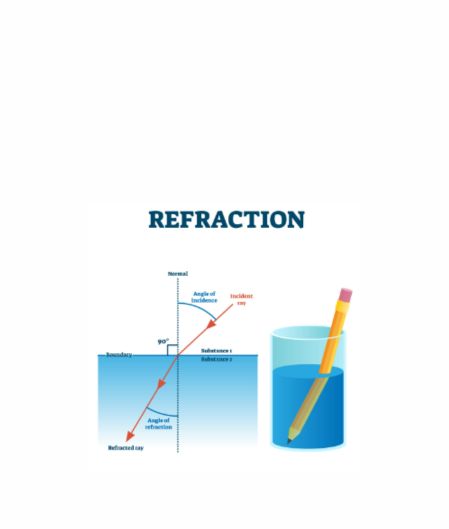
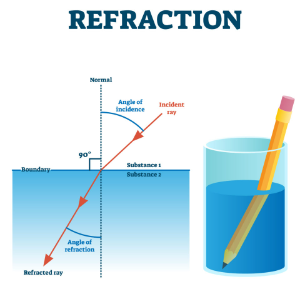
Light is a fundamental aspect of our world, with reflection and refraction being key properties. Reflection involves the bouncing back of light when it encounters a surface, while refraction refers to its bending as it passes through different mediums.
Understanding how cameras and the human eye capture and interpret light is crucial for visual perception.
Moreover, the concept of colour arises from the interaction of light with objects, resulting in the sensation of various hues.
- All Course Editors: Nazrin Kareem