
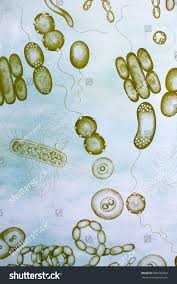
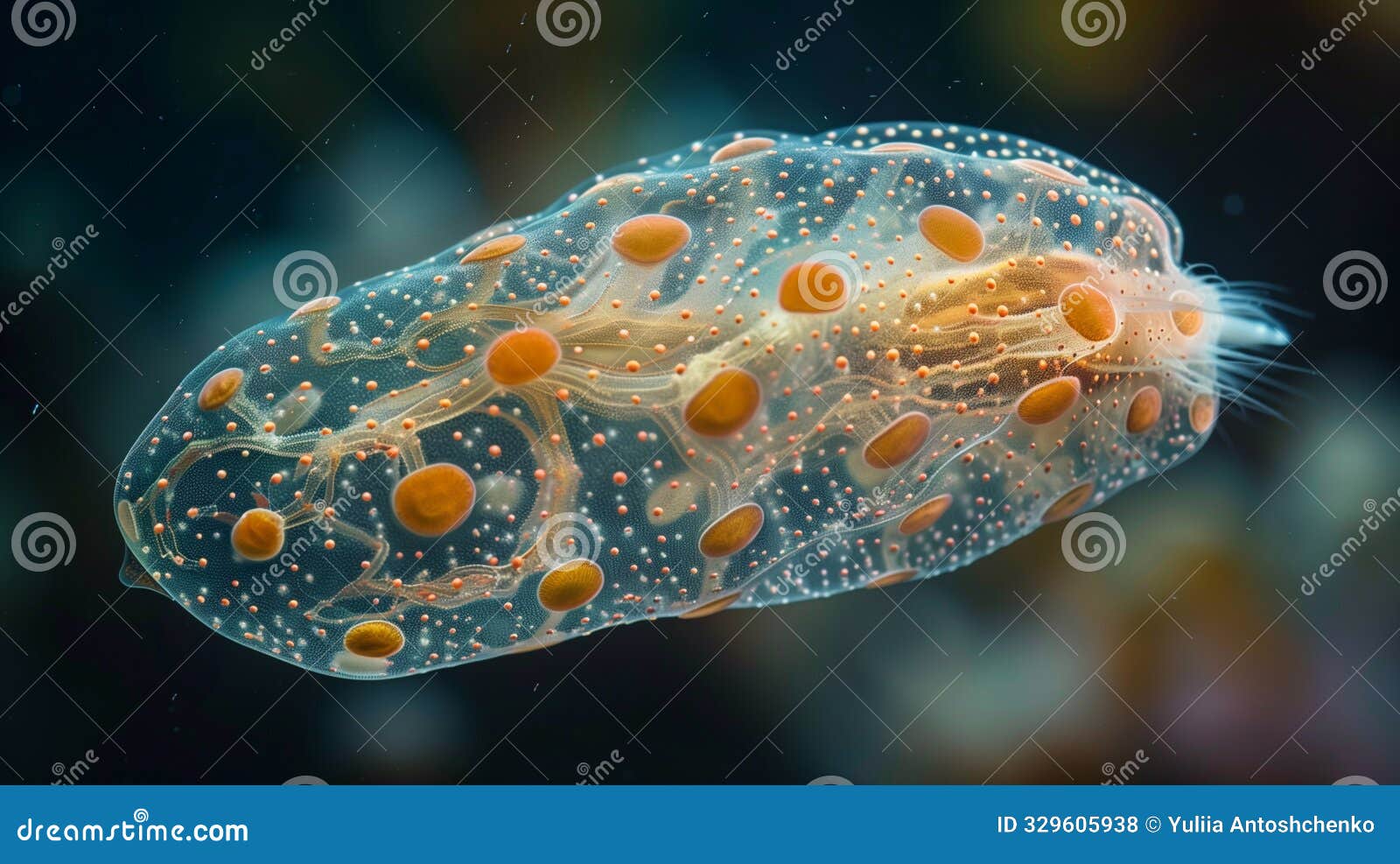
Unicellular organisms are living beings made up of just a single cell, which carries out all the functions necessary for life. These organisms are incredibly diverse and include bacteria, some types of algae, and protozoa like amoebas. Despite their simplicity, unicellular organisms can perform all the essential processes such as growth, reproduction, and responding to their environment.
- All Course Editors: Admin User

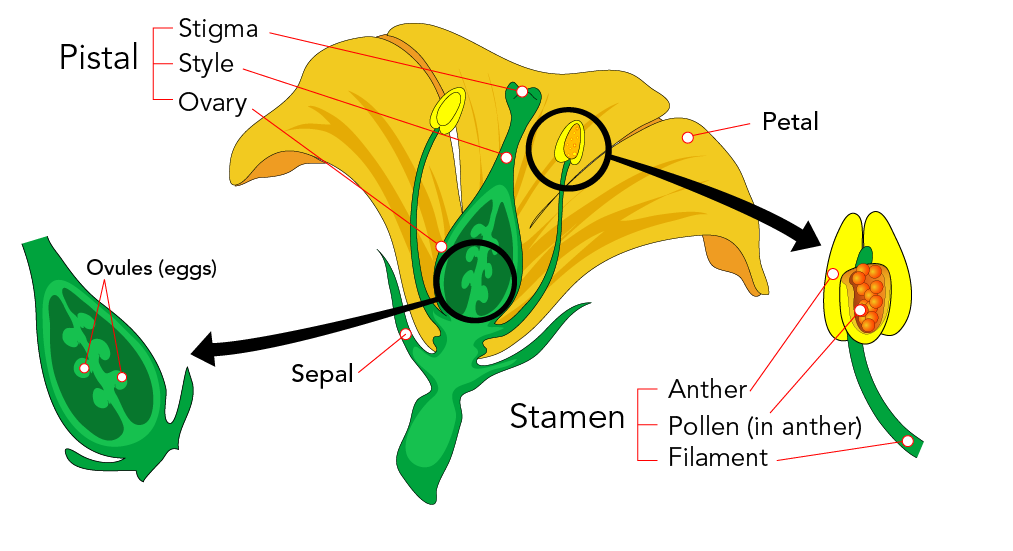
Plant reproduction is the production of new offspring in plants, which can be accomplished by sexual or asexual reproduction. Sexual reproduction produces offspring by the fusion of gametes, resulting in offspring genetically different from either parent. Asexual reproduction produces new individuals without the fusion of gametes, resulting in clonal plants that are genetically identical to the parent plant and each other, unless mutations occur.
- All Course Editors: Admin User
- All Course Editors: Admin User
- All Course Editors: Admin User

- All Course Editors: Admin User