
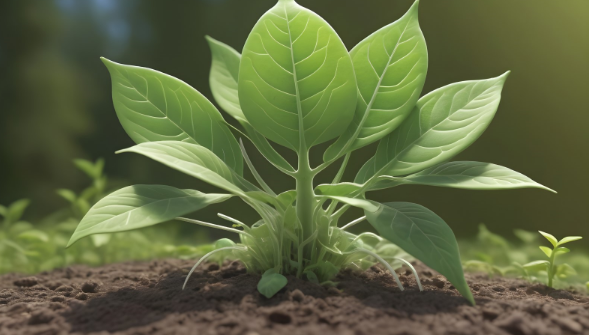
Plants, the primary producers in terrestrial ecosystems, exhibit a remarkable array of structures and functions that enable them to thrive in diverse environments. Understanding the intricate relationship between plant structure and function is essential for unraveling the mysteries of plant biology and appreciating their vital role in sustaining life on Earth. This introduction explores key aspects of plant structure and its functions, including photosynthesis, plant structure, transport in plants, and the role of plant hormones.
- All Course Editors: Admin User
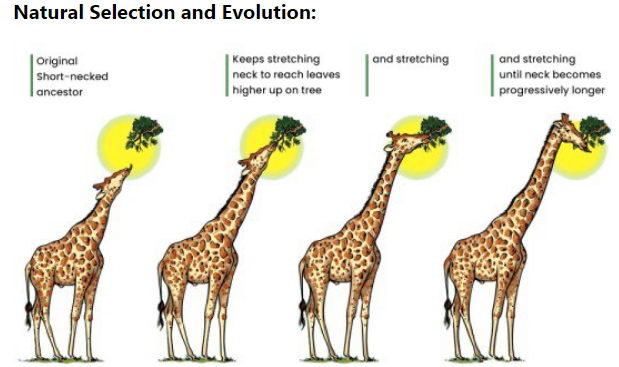
Natural selection, proposed by Charles Darwin, is a fundamental mechanism driving evolutionary change. It acts on heritable variation within populations, favoring traits that confer a reproductive advantage in each environment. Over time, natural selection leads to the accumulation of adaptive traits, resulting in the evolution of populations and species. Genetic variation, arising from mutations, genetic recombination, and gene flow, provides the raw material for natural selection to act upon. Evolutionary processes shape the diversity of life forms on Earth, from the microevolutionary changes observed within populations to the macroevolutionary patterns seen over geological time scales.
- All Course Editors: Admin User
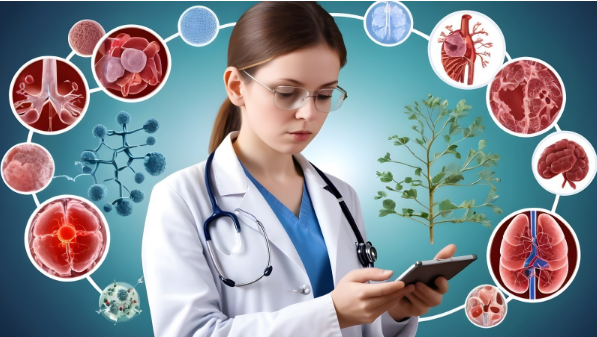
Health, disease, and the practice of medicine are intricately intertwined aspects of human existence, shaping individual well-being and societal progress. The study and application of medical science encompasses a broad spectrum of disciplines aimed at understanding, preventing, diagnosing, and treating diseases while promoting overall health and development.
- All Course Editors: Admin User
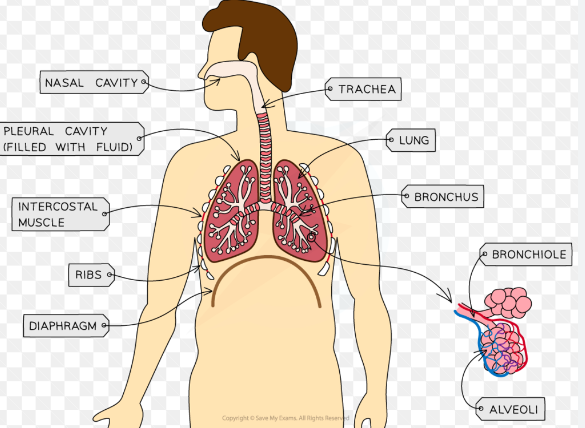
Exchange and transport in animals are a fundamental process that allows for the efficient movement of substances, such as gases, nutrients, and waste products, throughout an animal's body. This intricate system involves various mechanisms, including transport in animals, respiration, gas exchange, and the circulatory system.
- All Course Editors: Admin User
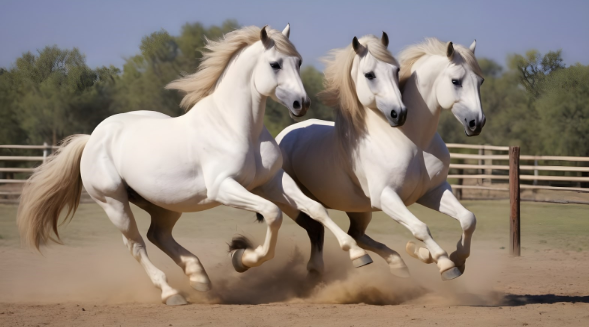
Animal coordination and control is a fascinating field of study that explores how animals regulate and coordinate their bodily functions to maintain balance and respond to their environment. This intricate system involves various mechanisms, including the secretion of hormones and the maintenance of homeostasis.
One crucial aspect of animal coordination and control is the role of hormones. Hormones are chemical messengers produced by specialized cells or glands in an animal's body. They are released into the bloodstream and travel to target cells or organs, where they exert their effects. Hormones play a vital role in regulating a wide range of physiological processes, including growth, metabolism, reproduction, and behavior. They act as signals that coordinate and control the activities of different body systems, ensuring proper functioning and adaptation to changing conditions.
- All Course Editors: Admin User

Ecosystems are dynamic and interconnected systems where living organisms interact with each other and their environment. Central to ecosystem function is the cycling of materials and the organization of energy flows, which sustain life within these complex networks. This introduction will provide a brief overview of key concepts such as material cycling, organizing the environment, feeding relationships, and human influences on ecosystems, particularly in the context of food production.
- All Course Editors: Admin User
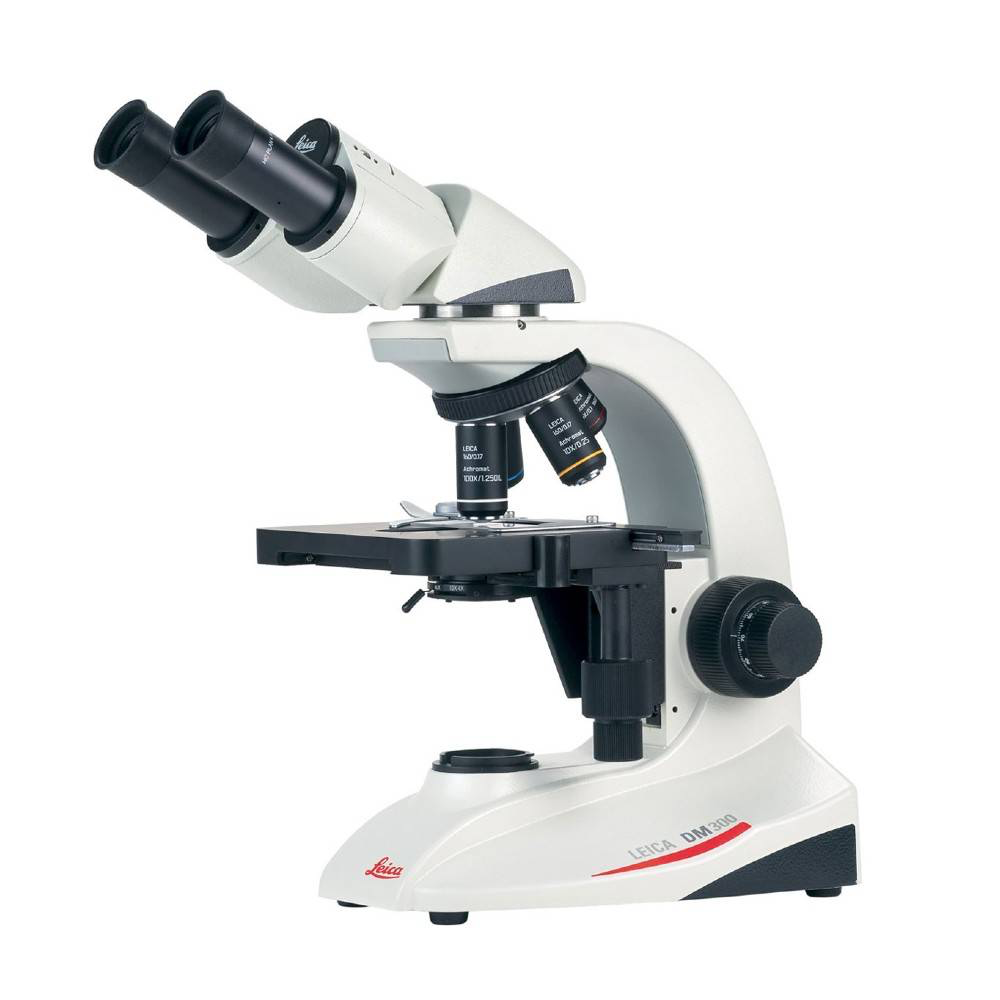
We will embark on a journey to understand the fundamentals of microscopy, exploring the types of microscopes, their components, and the techniques used to enhance magnification and resolution. By the end of our lesson, you will not only grasp the importance of microscopes in biological sciences but also appreciate their role in shaping our understanding of the natural world. let's prepare to zoom in on the tiny wonders that await our exploration under the lens of the microscope!
- All Course Editors: Admin User
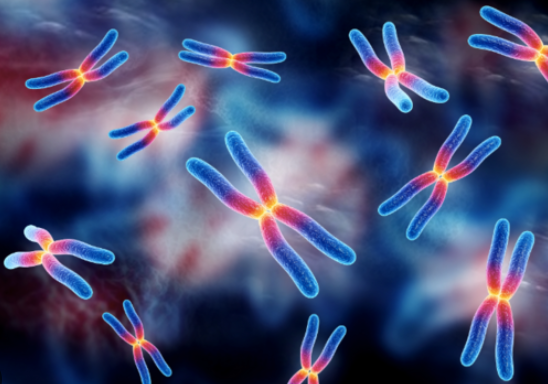
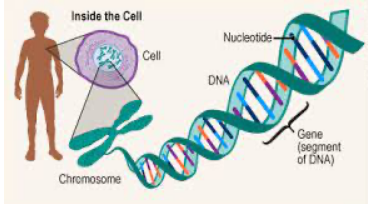
Genetics, the study of genes and heredity, lies at the heart of understanding the diversity and unity of life on Earth. It encompasses a range of interconnected topics, including reproduction, inheritance, natural selection and evolution, and genetic modification, each playing a vital role in shaping the characteristics of organisms and populations.
- All Course Editors: Admin User
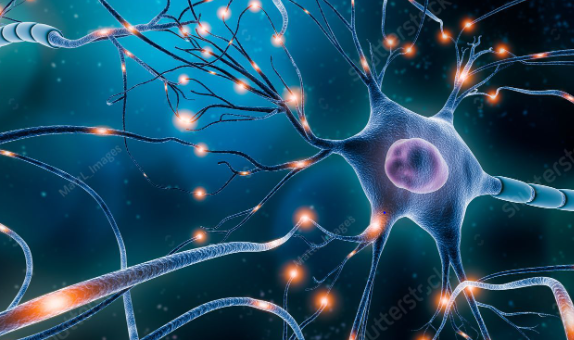
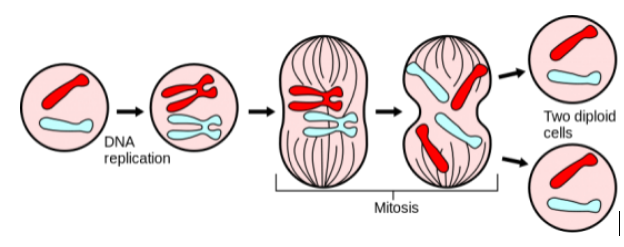
In the intricate web of life, cells serve as the building blocks and control centers that orchestrate the functions of organisms. The concept of Cells and Control encompasses various processes fundamental to life, including cell division, growth in organisms, the role of stem cells, and the coordination and response mechanisms that govern cellular activities.
- All Course Editors: Admin User
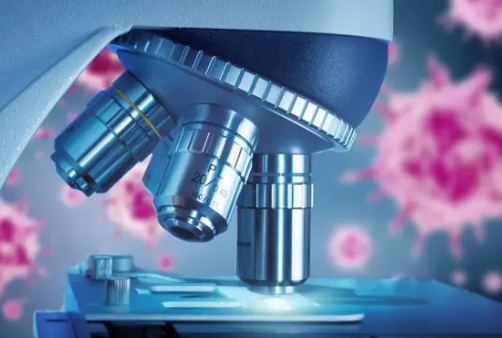
This course explores microscopes for observing cell structures, specialized cells for specific functions, and enzymes as biological catalysts.
It also includes food tests to identify nutrients, and key transport mechanisms like diffusion, osmosis and active transport, which are crucial for maintaining cellular functions and nutrient exchange.
- All Course Editors: Admin User