
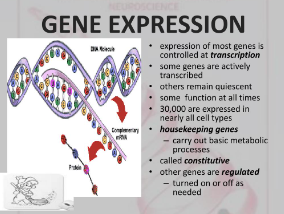
The control of gene expression is essential for life. It determines which genes are turned on or off in a cell. Several mechanisms regulate gene expression, including transcriptional, post-transcriptional, translational, and post-translational control. Disruptions in gene expression can lead to diseases. Understanding gene expression is crucial for developing new treatments.
- All Course Editors: Admin User
- All Course Editors: Admin User
Genetics, populations, evolution, and ecosystems are interconnected. Genetics provides the blueprint for life, while populations are the units of evolution. Evolution explains how species have changed, and ecosystems illustrate the complex interactions between organisms and their environments. Understanding these concepts is crucial for understanding the diversity of life on Earth. Let's explore this fascinating interconnectedness!
- All Course Editors: Admin User
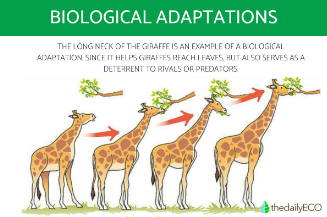
Organisms are masters of adaptation. They constantly respond to changes in their environments to survive and thrive. These responses, from shivering to hibernation, help maintain a stable internal state. By studying these adaptations, we can learn about the amazing diversity of life and the importance of preserving our planet's ecosystems. Let's explore the fascinating world of organismal responses!
- All Course Editors: Admin User
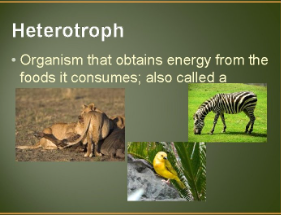
Energy is the currency of life. It flows through ecosystems, from producers to consumers and decomposers. Understanding energy transfers helps us appreciate the interconnectedness of all living things. By studying energy flows, we can learn how to conserve resources and protect our planet. Let's explore the fascinating world of energy transfers and the delicate balance of life on Earth!
- All Course Editors: Admin User
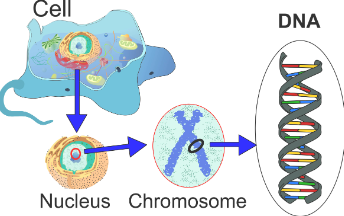
Genetic information is the blueprint for life. It is stored in DNA and RNA, which are molecules that contain the instructions for building and maintaining an organism. Variations in genetic information can lead to differences between individuals, such as eye color or height. By studying genetic information, we can understand how evolution has shaped life on Earth and the relationships between different species. So, let's explore the fascinating world of genetics and the diversity of life!
- All Course Editors: Admin User
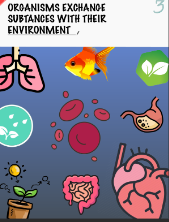
Organisms are interconnected with their environments. They need to exchange substances like nutrients, oxygen, and water to survive and grow. This exchange happens through specialized structures like leaves in plants or lungs in animals. By studying these processes, we can understand how ecosystems work and the importance of preserving our natural world. So, let's explore the fascinating relationship between organisms and their environments!
- All Course Editors: Admin User
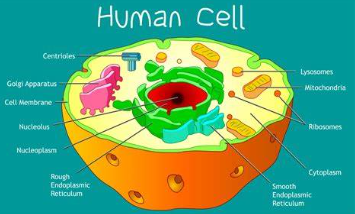
Cells are the smallest units of life. They are the building blocks of all living organisms, from bacteria to humans. Understanding cells is essential for understanding how life works. Cells perform a variety of functions, including energy production, protein synthesis, and cell division. By studying cells, we can learn about the causes of diseases and develop new treatments. So, let's explore the fascinating world of cells!
- All Course Editors: Admin User
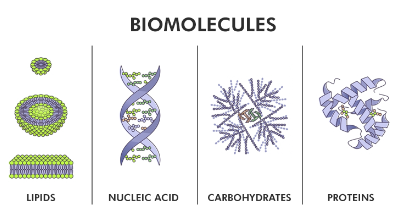
Biomolecules are the building blocks of life. They are essential for all living organisms. Understanding biomolecules can help you unlock the mysteries of the human body and develop new treatments for diseases. It's a fascinating field that can lead to exciting careers in science, medicine, and biotechnology. So, let's dive in and explore the world of biomolecules!
- All Course Editors: Admin User