
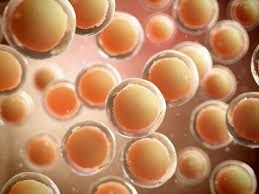
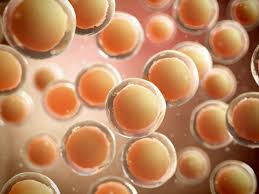
A cell is the basic structural and functional unit of all living organisms. It is often referred to as the building block of life because it carries out essential processes that sustain life, such as energy production, waste removal, and reproduction. Cells can be broadly categorized into two types: prokaryotic, which lack a nucleus and are typically found in bacteria, and eukaryotic, which have a nucleus and are present in animals, plants, fungi, and protists. Within cells, specialized structures called organelles perform specific functions, such as the mitochondria generating energy and the nucleus containing genetic material. Cells are capable of growing, responding to stimuli, and replicating, making them fundamental to all life forms.
- All Course Editors: Admin User