
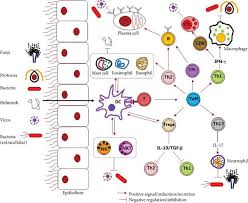
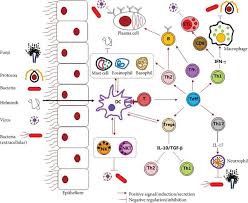
Pathogens are harmful microorganisms, such as bacteria, viruses, fungi, and parasites, that can cause diseases in humans and other organisms. The immune system is the body's defense mechanism against these invaders. It consists of a network of cells, tissues, and organs that work together to recognize and eliminate pathogens. The immune response includes innate immunity, which provides a general defense against pathogens, and adaptive immunity, which targets specific invaders with precision. When a pathogen enters the body, the immune system detects its presence, activates immune cells, and produces antibodies to neutralize or destroy the threat. This complex interplay between pathogens and the immune system is vital for protecting the body from infections and maintaining overall health.
- All Course Editors: Admin User