
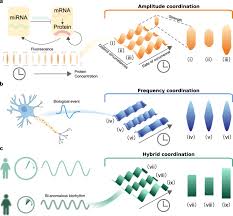
Chemical coordination involves the regulation of physiological processes through the secretion of hormones. These chemical messengers are produced by endocrine glands and released into the bloodstream, where they travel to target organs or tissues. Hormones regulate various bodily functions, such as growth, metabolism, and reproduction, by binding to specific receptors on target cells. This interaction triggers specific cellular responses, allowing the body to maintain homeostasis and adapt to changes in the environment. Unlike nerve impulses, hormonal signals generally act more slowly but have longer-lasting effects.
- All Course Editors: Admin User