
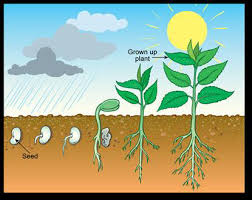
Chemical coordination in plants involves the regulation of growth, development, and responses to environmental stimuli through the action of plant hormones. These hormones, such as auxins, gibberellins, cytokinins, ethylene, and abscisic acid, act as chemical messengers that are produced in one part of the plant and influence physiological processes in other parts. For example, auxins promote cell elongation and are key in directional growth responses, while gibberellins stimulate stem elongation and seed germination. Through a complex network of these hormones, plants are able to adapt to changing conditions, regulate their growth, and maintain homeostasis
- All Course Editors: Admin User