
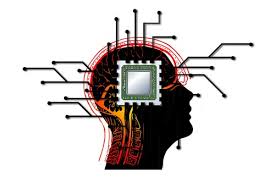
coordination refers to the complex interactions and communication among different parts of an organism to maintain homeostasis and perform essential functions. This process involves the nervous and endocrine systems, which work together to regulate activities such as growth, metabolism, and response to environmental stimuli. For instance, the nervous system transmits rapid electrical signals to trigger muscle contractions or glandular secretions, while the endocrine system releases hormones into the bloodstream to orchestrate longer-term changes in the body. Effective coordination ensures that all bodily systems operate in harmony, allowing the organism to adapt to changes and maintain overall health and balance
- All Course Editors: Admin User