
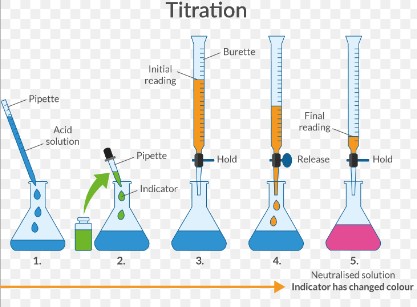
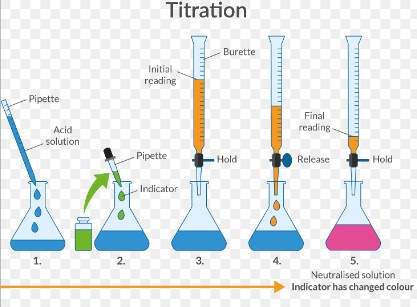
Reactions of acids with metals involve the displacement of hydrogen from the acid by the metal, producing hydrogen gas and a salt. Neutralization occurs when an acid reacts with a base to form water and a salt. Soluble salts are formed when the cation of the base combines with the anion of the acid. The pH scale measures acidity or alkalinity, with neutralization resulting in a pH close to 7. Titrations are analytical techniques used to determine the concentration of an acid or base in a solution, often involving a reaction between an acid and a base of known concentration. Strong acids completely dissociate in water, while weak acids only partially dissociate.
- All Course Editors: Admin User