
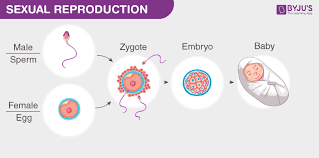
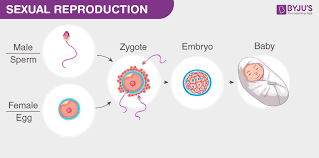
Reproduction in biology refers to the process by which organisms produce offspring, ensuring the continuation of their species. It can occur through two primary mechanisms: asexual and sexual reproduction. In asexual reproduction, a single organism gives rise to genetically identical offspring, common in many plants, fungi, and microorganisms. In contrast, sexual reproduction involves the combination of genetic material from two parents, resulting in offspring with genetic variation. This diversity is crucial for the adaptation and evolution of species in changing environments. Reproduction is a fundamental characteristic of life, driving the perpetuation and diversity of living organisms .
- All Course Editors: Nazrin Kareem