
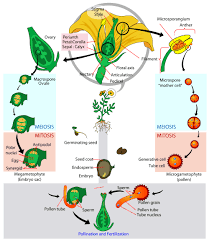
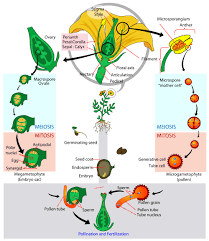
Plant reproduction can occur through sexual or asexual means. In sexual reproduction, plants produce seeds through the fusion of male and female gametes, often facilitated by flowers. This process involves pollination, where pollen from the male part of a flower (anther) reaches the female part (stigma), leading to fertilization and seed development. Asexual reproduction, on the other hand, involves the creation of new plants from vegetative parts such as stems, roots, or leaves, without the involvement of seeds. This can occur naturally, as in runners of strawberry plants, or through human intervention, such as cuttings or grafting. Both methods enable plants to propagate and adapt to their environments.
- All Course Editors: Nazrin Kareem